
The Rise of Social Media Trends: How Social Media Is Changing Business Marketing in 2026
Over the last decade, social media has transformed from a platform for personal connections into one of the most powerful business tools in the world.
The latest social media trends show that consumers are spending more time than ever on platforms like Instagram, Facebook, LinkedIn, YouTube, and TikTok. According to recent industry reports, the average internet user spends more than two hours per day on social media platforms.
These changing social media trends are forcing businesses to rethink how they communicate with customers. Brands that fail to adapt risk losing visibility, engagement, and market share to competitors who embrace digital platforms.
In this guide, we’ll explore how social media is evolving, why businesses need it more than ever, and how companies can use modern social media trends to drive growth.

Why Brand Building Has Become More Important Than Ever With Social Media Trends
Years ago, businesses focused primarily on advertising products and services. Today, consumers want to connect with companies on a deeper level.
this is where brand building becomes essential.
modern customers often buy from brands they recognize and trust. strong brand building helps businesses create a memorable identity that separates them from competitors.
Apple is one of the best examples of successful brand building. The company doesn’t simply sell technology products; it promotes innovation, simplicity, and customer experience. This emotional connection helps maintain customer loyalty worldwide.
Social media gives businesses the opportunity to consistently communicate their values, mission, and personality.
Understanding Digital Consumer Behavior in Today’s Market

Consumer habits have changed dramatically.
Modern digital consumer behavior shows that customers often research brands online before making purchasing decisions. They read reviews, watch videos, compare competitors, and follow brands on social media.
Understanding behavior helps businesses create content that addresses customer needs and expectations.
For example, many restaurants now use Instagram to showcase food images because consumer behavior indicates that visual content strongly influences purchase decisions.
Businesses that understand customer behavior can create more relevant and engaging marketing campaigns.
How Short-Form Video Content Is Dominating Social Media

One of the biggest social media trends today is the rise of short-form video content.
Platforms such as Instagram Reels, YouTube Shorts, and TikTok have changed how people consume information.
Short-Form Video Content is popular because it delivers information quickly and keeps users engaged.
Brands like Nike regularly use video content to share product launches, athlete stories, and motivational messages that attract millions of views.
Businesses that incorporate video into their strategy often experience higher engagement and better reach than those relying only on static images.
The Growth of Social Commerce

Social media is no longer just a place for engagement.
Social Commerce allows customers to discover, browse, and purchase products directly from social media platforms.
The popularity of social commerce continues to grow because customers prefer convenient shopping experiences without leaving their favorite apps.
Businesses that embrace this trend can reduce friction in the customer journey and increase sales opportunities.
Why Influencer Marketing Continues to Grow

Another major development in modern social media trends is the rise of influencer marketing.
Consumers often trust recommendations from people they follow online more than traditional advertisements.
Influencer Marketing allows businesses to reach highly engaged audiences through trusted creators.
For example, fitness brands frequently partner with health and wellness influencers to promote products.
Successful influencer marketing campaigns feel authentic and help brands connect with audiences more naturally than conventional advertising.
Even small businesses can benefit by partnering with local influencers within their niche.
Building Customer Trust Through Social Media
Strong customer trust often influences whether someone chooses your business over a competitor.
Social media helps businesses establish customer trust by:
- Sharing customer testimonials
- Responding to questions
- Providing valuable information
- Showing transparency
Brands such as Zomato have built strong customer trust by maintaining active communication with their audience and responding quickly to customer feedback.
When customers trust a business, they are more likely to become loyal advocates.
Why Online Brand Presence Matters More Than Followers

Many businesses focus only on follower counts.
However, a strong Online Brand Presence is much more important.
Your presence includes:
- Content quality
- Brand consistency
- Customer interactions
- Reputation
- Visibility
Tesla, for example, has built a powerful online brand presence through consistent messaging and community engagement.
A strong online presence helps businesses stay visible even when customers are not actively looking for products or services.
Branding vs Marketing: Understanding the Difference
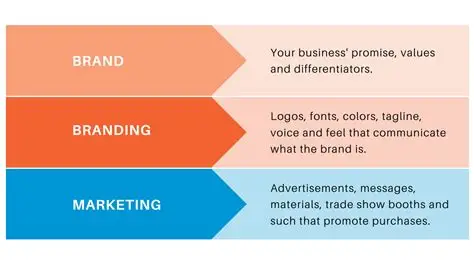
Many people confuse branding and marketing.
Although they work together, they serve different purposes.
Branding
Branding focuses on:
- Identity
- Values
- Reputation
- Customer perception
Branding answers the question:
“Who are you as a business?”
Marketing
Marketing focuses on:
- Promotion
- Lead generation
- Customer acquisition
- Sales
Marketing answers the question:
“How do you attract customers?”
Social media supports both branding and marketing.
A business with strong branding will often find marketing more effective because customers already recognize and trust the brand.
Why Every Business Needs Social Media Today
Businesses can no longer rely solely on traditional advertising.
Modern consumers expect businesses to be active online.
Social media helps businesses:
- Increase visibility
- Build relationships
- Generate leads
- Improve customer service
- Create brand awareness
- Support sales growth
Whether you’re a local business, startup, or large enterprise, social media provides opportunities to connect with customers at every stage of the buying journey.
The businesses that adapt to changing social media trends are often the ones that achieve long-term success.
Future Social Media Trends Businesses Should Watch

Social media will continue evolving.
Some important trends to watch include:
- AI-powered content creation
- Personalized user experiences
- Voice and visual search
- Interactive content
- Social commerce expansion
- Greater use of video marketing
- Community-driven engagement
Businesses that stay informed about future trends can remain competitive and continue growing online.
Conclusion
The rise of social media has completely changed how businesses connect with customers. Modern social media trends show that consumers expect brands to be visible, authentic, and engaging across multiple platforms.
From brand building and understanding digital consumer behavior to leveraging short-form video content, social commerce, influencer marketing, customer trust, and a strong online brand presence, social media has become a critical part of business success.
Businesses that invest in these strategies are more likely to build stronger customer relationships, improve visibility, and achieve sustainable growth.
If you’re looking to strengthen your social media strategy and grow your business online, the team at Caffinity Marketing can help. Visit to learn how we create customized digital marketing solutions that deliver measurable results.
For a deeper understanding of social media strategies, also read our previous blog on Social Media Marketing
FAQS
1. Why is social media important for businesses in 2026?
Social media helps businesses increase visibility, engage customers, build trust, and generate leads in a highly competitive digital environment.
2. What are the biggest social media trends today?
Some major trends include short-form video content, social commerce, influencer marketing, AI-powered content, and community-driven engagement.
3. What is the difference between branding and marketing?
Branding focuses on how customers perceive your business, while marketing focuses on promoting products and generating sales.
4. How does social media help build customer trust?
By sharing valuable content, responding to customers, showcasing reviews, and maintaining transparency.
5. What is social commerce?
Social commerce allows users to discover and purchase products directly through social media platforms.
6. Why is short-form video content so effective?
It captures attention quickly, increases engagement, and aligns with how modern users consume content online.